
UPDATE- 2026 – As I return to Colombia after 6 years, I have had a wonderful time exploring more fruits. I have made a point of taking better photographs and including more fruits from the Caribbean coast and coffee region, with the hope of creating the ultimate guide to fruits and juices of Colombia. One of the most rewarding experiences on this recent trip was a fruit workshop in Pereira, in the heart of the coffee region.
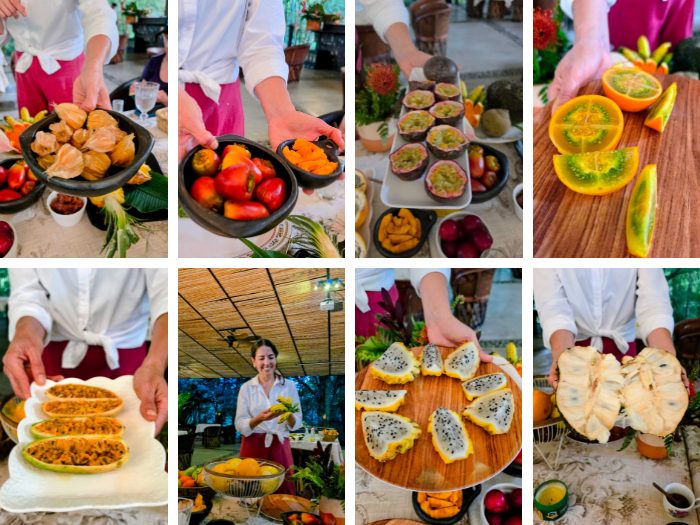
The workshop was led by Adriana Jaramillo of I.am.Colombiano, native to the region, with a deep knowledge of local food. She brought some of the bounty from her own finca. Nothing could be fresher!
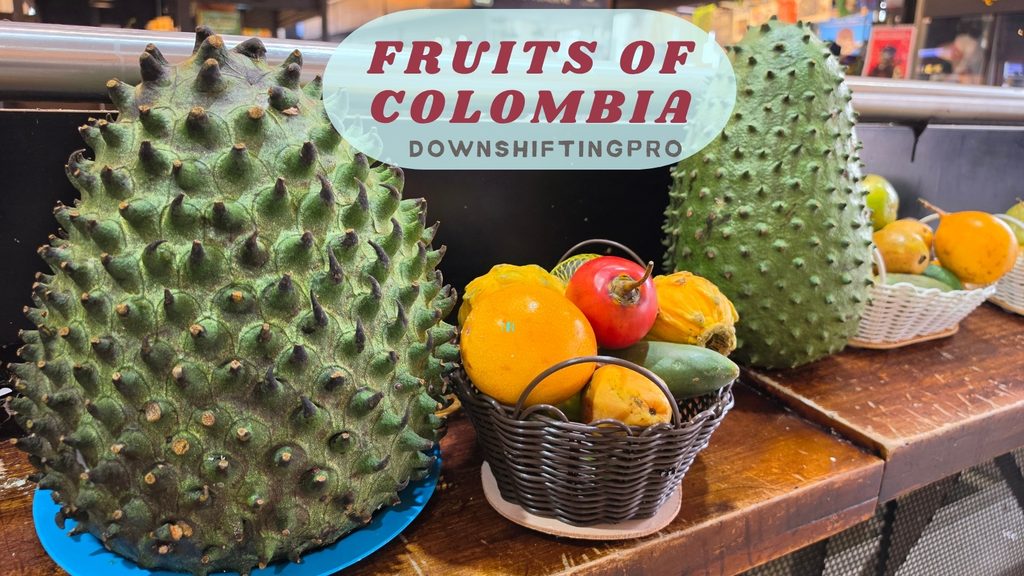
The workshop was such a good reminder that the sheer variety of fruit can feel overwhelming at first, especially for travelers who are not familiar with what they are seeing in markets, grocery stores, and restaurants. A tasting like this takes away the uncertainty and turns it into curiosity. It is a wonderful introduction to the flavours of the country. It gives you more confidence and helps you appreciate what Colombia has to offer.
Although many fruits are readily available in grocery stores, when I was growing up, it was very unusual to find exotic fruits in the produce aisles. My parents missed Colombia’s fresh fruits and juices. Whether a sweet guanábana or a bittersweet lulo, there are so many juices to savour.
In Colombia, fruit is often turned into juices made with either water or milk, and the milk-based versions may surprise some travelers with the richness in flavour. Drinking your vitamins is not uncommon in a vegan or vegetarian diet, and Colombia has adopted “smoothie” variations for years. My aunts now make juice with almond milk to avoid lactose, and it works beautifully.
The variety of fruit juices in Colombia reflects the country’s biodiversity. With three mountain ranges criss-crossing the country, plus cool highland zones and hot, humid valleys, therein lies an ideal climate for growing a wide variety of fruits.
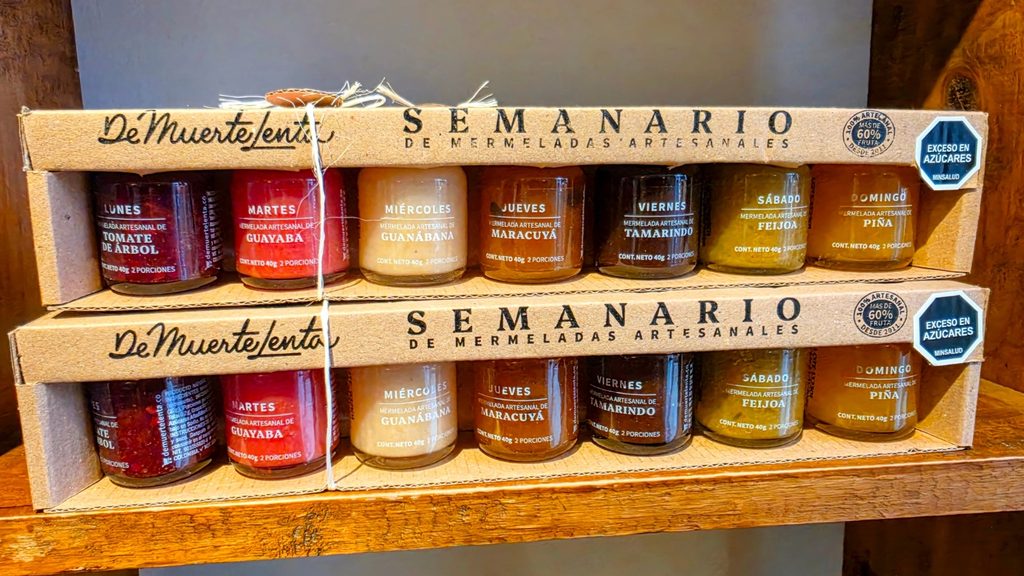
Many of these fruits are being used to create sweet treats (bocadillo – a guava paste), salad dressings, jams and preserves. Since you are unlikely to bring fresh fruit home, why not take home some delicious jams? I found these in a coffee shop in Chapinero, but they are readily available throughout the country.
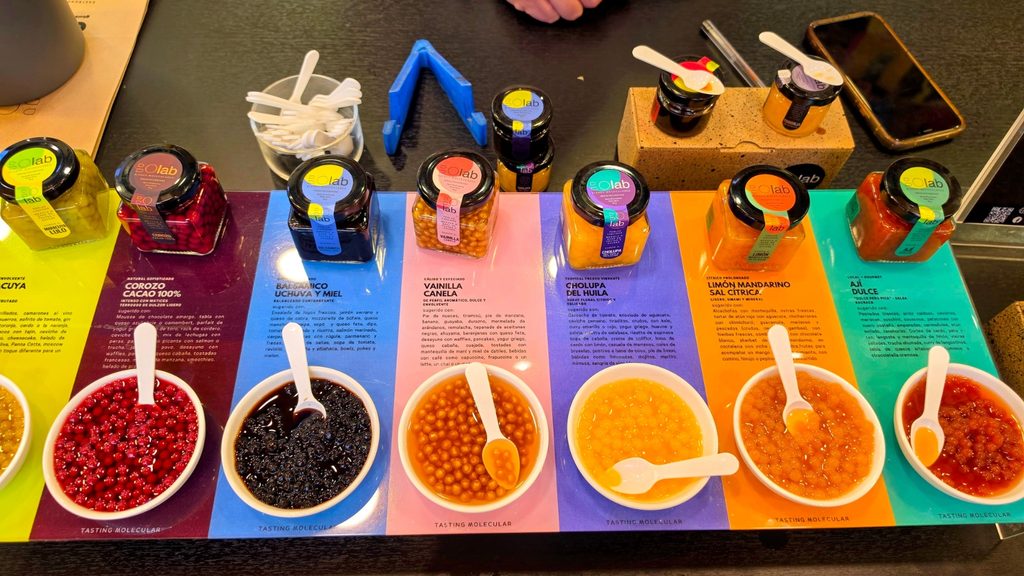
Colombians are creating some amazing culinary products beyond just fruit juices and fruit salads. Another wonderful product that I found in Bogota was BOlab Blends. They produce small pearls or beads of flavour. With interesting pairings like Cholupa or Corozo, Uchuva & Honey or Lulo Passion fruit. You can use them in deserts or to garnish a cocktail. They were delicious.